Understanding Facial Masks
Facial masks have emerged as a significant component of modern skincare routines, celebrated for their targeted benefits and luxurious feel. Typically categorized into several types, facial masks can meet diverse skincare needs and preferences. Among the most common types are sheet masks, peel-off masks, clay masks, and cream masks. Each type offers distinct application methods and unique advantages tailored to various skin concerns.
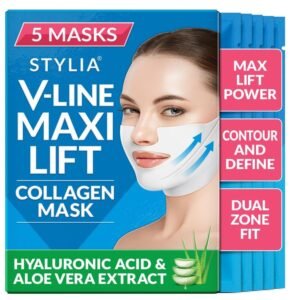
Sheet masks, for instance, are pre-cut fabric or paper masks saturated with a serum rich in beneficial ingredients. They adorn the skin like a second layer, allowing ingredients to penetrate deeply while providing a cooling effect. Peel-off masks, conversely, are applied as gel-like substances that dry and bond to the skin, enabling easy removal to extract impurities and dead skin cells.
Clay masks are formulated with mineral-rich clays that absorb excess oils and unclog pores, making them ideal for oily and acne-prone skin. Lastly, cream masks offer nourishing hydration, often enriched with emollients and antioxidants, perfect for dry or mature skin types.
See on Amazon
The application process for facial masks typically involves cleansing the skin to remove makeup and impurities, followed by either applying the mask directly or draping a sheet mask over the face. The duration of application varies depending on the type of mask, generally ranging from 10 to 30 minutes. The common ingredients found in facial masks include hyaluronic acid for moisture, salicylic acid for acne control, and various botanical extracts for soothing and revitalizing the skin.
Additionally, the formulations of facial masks cater to specific skin concerns, such as hydration, detoxification, brightening, or anti-aging. By offering a concentrated dose of active ingredients, facial masks can effectively target particular issues and reinforce a comprehensive skincare regimen. Understanding these aspects allows individuals to select the appropriate facial masks that align with their unique skin needs.
Benefits of Using Facial Masks
Facial masks have gained popularity in the skincare community due to their numerous benefits, which play a crucial role in enhancing overall skin health. One of the primary advantages of using facial masks is their ability to provide deep hydration.
Many masks are formulated with hydrating ingredients, such as hyaluronic acid and glycerin, which penetrate the skin barrier to deliver moisture where it is needed most. This increased hydration not only plumps the skin, making it look healthier but also helps in reducing the appearance of fine lines and wrinkles.
In addition to hydration, facial masks also improve skin texture. Over time, regular use of masks can lead to a smoother, more refined complexion by exfoliating dead skin cells and promoting cell turnover. Various types of exfoliating masks, such as those containing alpha-hydroxy acids (AHAs) and beta-hydroxy acids (BHAs), can effectively unclog pores and remove impurities, resulting in a clearer and more radiant appearance.
Another significant benefit of facial masks is their capacity to enhance skin radiance. Brightening masks formulated with ingredients like vitamin C or licorice extract can address issues such as dullness and uneven skin tone, imparting a luminous glow.
Moreover, certain masks contain active ingredients designed to target specific skin concerns, including acne-prone skin, aging, and pigmentation issues. For example, clay masks are known for drawing out excess oil and impurities, making them ideal for those with oily or acne-prone skin.
Furthermore, by delivering concentrated doses of active ingredients to the skin, facial masks can facilitate better absorption compared to regular skincare products. This targeted approach can significantly enhance the effectiveness of the ingredients, ensuring that your skin benefits optimally from each application.
In essence, incorporating facial masks into your skincare routine can provide both immediate and long-term benefits, supporting a holistic approach to skincare.
Incorporating Facial Masks Into Your Skincare Routine
Integrating facial masks into your skincare routine can yield substantial benefits when done correctly. The frequency of use largely depends on individual skin types and specific concerns. For most skin types, incorporating masks one to three times per week is recommended.
This approach prevents over-exfoliation and allows your skin to reap the benefits of active ingredients without causing irritation. Those with oily or acne-prone skin may find that using clay masks more frequently helps to regulate excess oil, while dry or sensitive skin types may prefer hydrating or soothing masks on a weekly basis.
Selecting the right facial mask for your skin type is crucial. For instance, clay masks are particularly effective for those with oily or combination skin, as they absorb excess oil and unclog pores. On the other hand, hydrating masks containing ingredients like hyaluronic acid or glycerin cater to dry skin by infusing moisture.
If you have sensitive skin, look for soothing masks that include aloe vera or chamomile to prevent irritation. Ensuring that the mask aligns with your skin’s unique requirements will enhance the overall efficacy of your skincare regimen.
Timing is another important consideration when masking. The ideal time to apply facial masks is after cleansing and exfoliating, ensuring that your skin is prepped to absorb the mask’s active ingredients effectively. After leaving the mask on for the recommended duration, be sure to follow up with a suitable moisturizer to lock in hydration.
Additionally, incorporating other treatments, such as serums or oils post-masking, can optimize results. By following these guidelines and tailoring the use of facial masks to your individual needs, you can maximize their benefits and elevate your skincare routine.
Myths and Misconceptions About Facial Masks
Facial masks have become an integral part of many individuals’ skincare routines, yet they are shrouded in various myths and misconceptions that can lead to confusion. One of the most prevalent misunderstandings is the belief that all masks are effective for every skin type. In reality, different masks serve distinct purposes and are formulated with specific ingredients tailored to meet the diverse needs of various skin concerns.
For instance, a hydrating mask may work wonders for dry skin but could exacerbate oiliness in individuals with oily or combination skin. Thus, understanding one’s skin type is crucial in selecting the appropriate facial mask.
Another misconception is that facial masks can replace a comprehensive skincare routine. While masks can offer immediate benefits like hydration, exfoliation, or soothing, they should complement, rather than substitute, established routines that include cleansing, toning, and moisturizing.
The primary function of a mask is to provide a targeted treatment, while a full skincare regimen ensures that skin receives daily nourishment and protection from environmental factors. Masks are often used as a weekly indulgence rather than a daily necessity.
Moreover, some individuals assume that the more a mask tingles or feels tight, the more effective it is. This notion can lead to the use of harsh products that may harm the skin barrier instead of helping it. It’s essential to listen to one’s skin and recognize that discomfort is often a sign of potential irritation.
Educating oneself about the specific roles of facial masks and the ingredients they contain is vital in debunking these myths. By addressing these common misconceptions, individuals can make informed decisions regarding their skincare practices and better utilize facial masks to enhance their overall skin health